
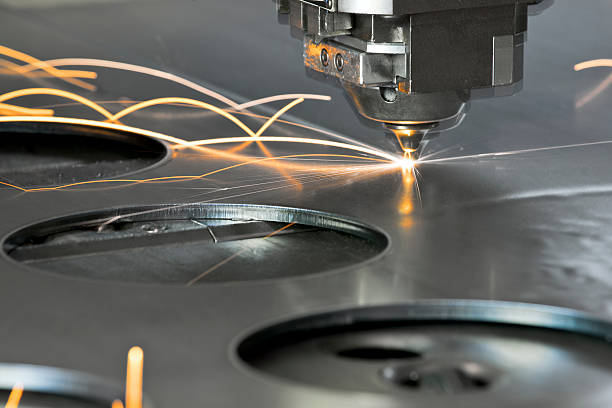
The manufacturing process of stamping parts consists of several key steps:
Design and Engineering: The process begins with the design and engineering phase, where engineers and designers work collaboratively to create precise blueprints and specifications for the stamping parts. This phase involves considering factors such as material selection, functionality, and manufacturability.
Material Selection: Depending on the application and requirements, various metals and alloys can be used for stamping parts. Common materials include stainless steel, aluminum, brass, copper, and carbon steel. The choice of material depends on factors like strength, corrosion resistance, conductivity, and cost.
Tooling and Die Creation: Once the design is finalized, specialized tooling and dies are created. These tooling components are used in the press machine to shape and form the sheet metal into the desired configuration. The precision and quality of the tooling play a crucial role in achieving accurate and consistent stamping parts.
Stamping Process: The stamping process itself involves feeding the sheet metal into the press machine, which applies pressure to deform and shape it according to the die’s configuration. This process can include various techniques, such as blanking, bending, punching, and coining, depending on the desired outcome.
Secondary Operations: After the stamping process, secondary operations may be performed to refine the stamping parts further. These operations can include deburring, trimming, welding, surface treatment (such as plating or painting), and quality inspections to ensure the parts meet the required specifications.
Applications in Various Industries: Stamping parts find applications in numerous industries due to their versatility and precision. Here are a few examples:
Automotive Industry: Stamping parts are extensively used in the automotive industry, where they contribute to the production of body panels, brackets, chassis components, and engine parts. These parts ensure structural integrity, safety, and functionality in vehicles.
Electronics Industry: From connectors and terminals to heat sinks and brackets, stamping parts play a critical role in the electronics industry. They enable the production of circuit boards, connectors, and other essential electronic components.
Aerospace Industry: In the aerospace industry, stamping parts are utilized in the production of aircraft structures, brackets, and components that require high strength, reliability, and lightweight characteristics.
Appliances and Consumer Goods: Many household appliances and consumer goods rely on stamping parts for their assembly. Items like kitchen appliances, furniture, lighting fixtures, and even toys often incorporate stamping parts for structural support and functionality.